


Cliffe Castle
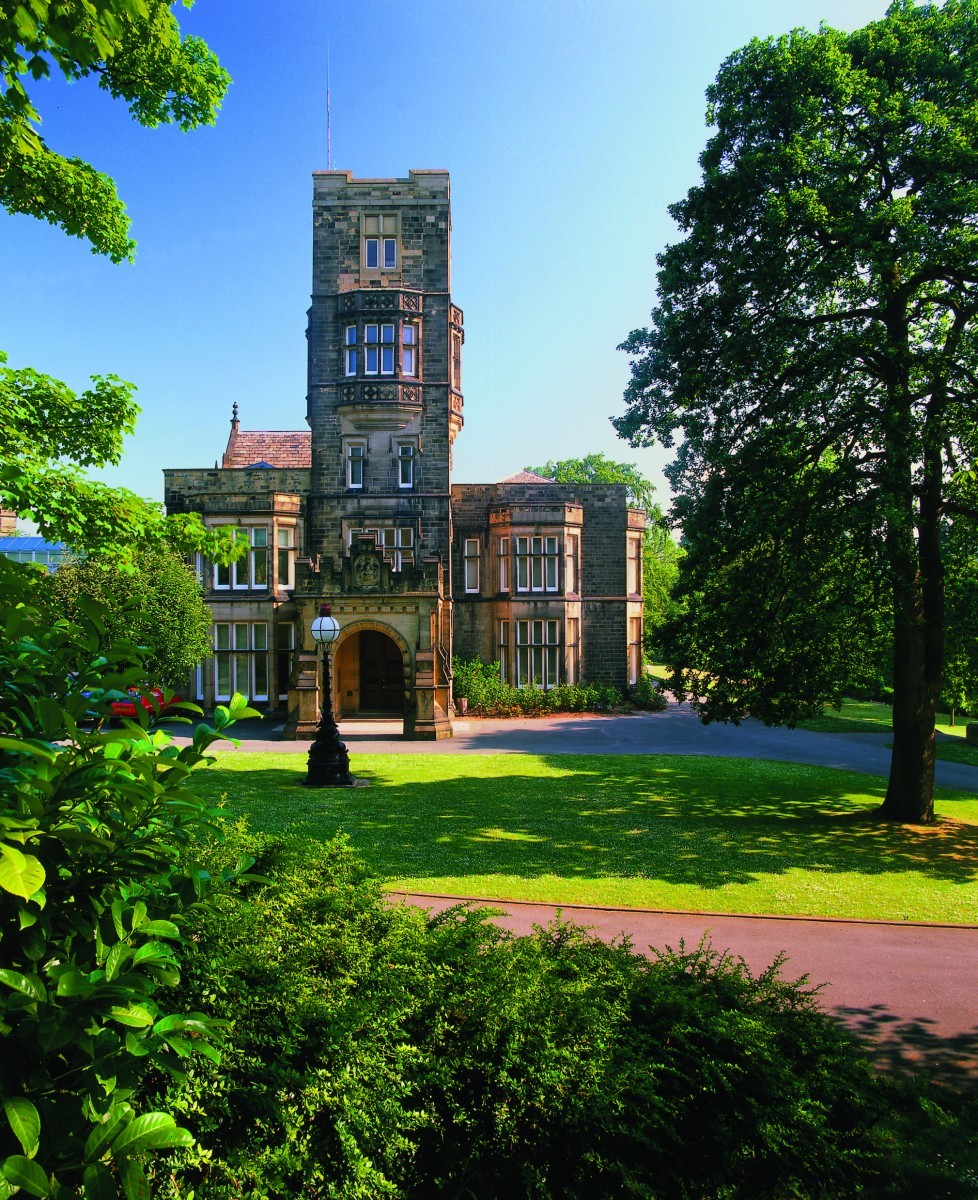
If ever a site was evocative of the personality that was responsible for it's building, it's Cliffe Castle.
Although it's been the museum in Keighley since the 1960s, it's origins as a Victorian fantasy 'castle' are still apparently when you start looking for the clues...
Cliffe Castle was originally the home of Victorian millionaire and textile manufacturer, Henry Isaac Butterfield. Completed in the 1880s the building was funded by the Butterfield family’s industrial empire which included wool textile mills and a shipping business that took British goods to Europe, America and China.
The completed house was a showpiece of international art and French decoration. It was the scene of many glittering social event and bBtterfield family connections included the Roosevelt’s of America and members of the court of Napoleon III. There are a number of blogs to find out more of the context if that intrigues
In the 1950s the Castle was bought by Sir Bracewell Smith, a local man who became Lord Mayor of London. Sir Bracewell used architect Sir Albert Richardson to turn Cliffe Castle’s gardens into a grand public park and remodelled the Castle to be a free museum for the people of the district.
That meant a number of sigificant changes (and losses) to the old building, but the signs of what were there can be found if you look.
The past few years have also seen a number of projects that have brought back elements of it's past - such as restoration of stained glass, or rebuilding orginal features in the surrounding Park - including, noteably, the orginal configoration of the decorative pond, discovered through excations that successfully found the original footings...
Approriately enough for the festival, it also has lots of archaelogy on display in addition to it's own history - spanning from Stone Age artifacts to the more recent 'working landscapes' that reflects how people live and work affects their surroundings. There's even a carved rock or two from the local moors...
There's also notable objects acquired via the Portable Antiquities Scheme - including a hoard of Iron Age coins, a Roman silver coin hoard and a Bronze age burial urn.
This place was created by Bradford Museums & Galleries


